Why Are Ants Crossing Boston Kitchen Counters?
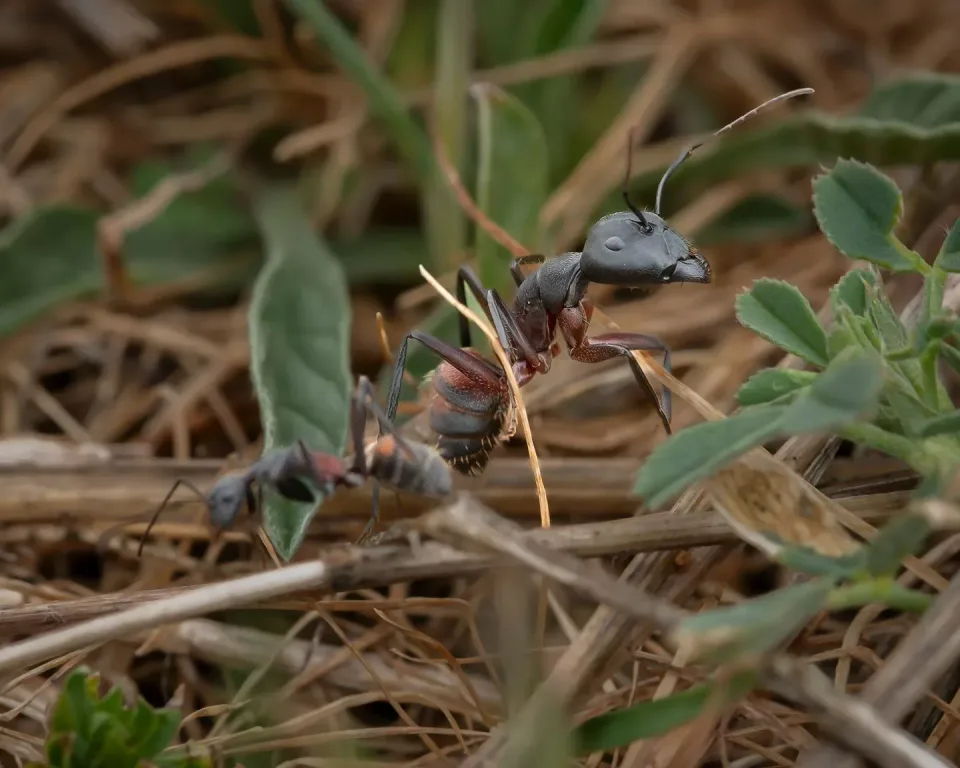
Ant trails usually cross kitchen counters because ants have found food, water, or a route between the colony and the room. Wipe up crumbs and spills, then watch where the trail begins and disappears before spraying. Quick action can mean stopping a small trail before it becomes a daily cleanup problem; waiting may leave food areas repeatedly contaminated.
If you want to nip it in the bud, start by checking cabinet edges, sink plumbing, and the seam where the counter meets the wall. A request to have ants taken out right away often reflects frustration after repeated sightings, but a treatment works best when the source and access route are identified.
Boston Common offers a familiar city reference point for local service; inside the home, the useful clues are trail direction and entry gaps. Ask what the inspection will cover.
Why do ants keep crossing the counter?
A trail is a route, not proof that the nest is inside the kitchen. Ants may follow a food or moisture source along trim, pipe penetrations, or a cabinet seam, then return along the same path.
Clean the trail with soapy water and store food in sealed containers while you observe where ants reappear. Spraying the visible line can scatter foragers without resolving the source.
We inspect both the trail and likely access points, then explain whether targeted treatment or sanitation correction fits the evidence. At Faneuil Hall in Boston, visitors follow clear routes through busy spaces; at home, the trail itself can similarly reveal how ants move through a room.
Where should you look beyond the counter?
Follow the line to its ends. Check beneath the sink, around water lines, behind small appliances, along backsplash joints, and at the floor-wall edge near cabinets.
Look for damp wood or debris that may provide harborage, but avoid pulling apart built-in units before you know what is active. Spring rain and thaw can leave basements damp and coincide with increased ant activity, so inspect the room below the kitchen too.
Fenway Park is another recognizable Boston landmark, but the house clues are more useful: a persistent trail near a wet sill or pipe opening deserves a closer look. Photograph the trail and note the time of day; that gives an inspector a better starting point.
Can you handle a short trail yourself?
If you see only a few ants, can remove the food source, and the trail stops after cleaning, monitoring is a reasonable first step. Keep counters dry, rinse recycling, and store sweets securely.
If ants return from a wall void, appear in several rooms, or persist despite sanitation, stop applying products at random and arrange an inspection. Cool autumn weather drives rodents indoors, so seasonal pest activity can overlap; however, identify the insect before choosing any treatment.
We use inspection and monitoring to distinguish a recurring route from a one-off sighting and match the response to what is actually present. Our crew has worked in Massachusetts homes for more than 12 years, including older Boston buildings where shared walls and concealed routes can complicate a quick fix.
What does seasonal activity tell you?
This does not prove that every counter trail starts outdoors; it gives you a sensible place to look when ants repeatedly appear near an exterior-facing kitchen. The Nantucket Whaling Museum is a well-known local destination, while a homeowner’s practical clue is whether activity changes after outdoor debris is removed.
If the trail remains, document its route instead of repeatedly wiping away the evidence before inspection. For background on our approach, read About Us; for a persistent indoor trail, see our Ant Control service details.
Which Counter-Trail Treatment Option Fits?
If a kitchen trail returns after cleaning, choose an approach based on whether the ants are active indoors, entering from outside, or appearing only occasionally. The right starting point matters.
| Option | Best for | Key detail |
|---|---|---|
| Interior spot treatment | Ants repeatedly active inside | Targets the observed area; identify the pest and trail first |
| Exterior perimeter treatment | Activity near likely outside access | A 4-gallon backpack sprayer may be used for exterior perimeter applications |
| Integrated Pest Management program | Recurring trails with unclear source | Combines inspection, monitoring, sanitation, and appropriate treatment |
| Preventive pest inspection | Checking routes before activity grows | A flashlight helps inspect cracks and crevices |
Route 128 helps orient eastern Massachusetts service coverage, while a kitchen inspection still depends on the home’s specific trail and access points. EcoTarium in Worcester is another regional landmark; there, as in any home, the useful decision is evidence-led rather than based on a fixed spray schedule. Ask what the inspection found and why the proposed option fits.
How Do You Prepare for an Ant Trail Inspection?
A few clear observations make an inspection more useful. In Cambridge, Harvard Square is a familiar landmark; at home, the trail’s exact location is the detail that matters.
-
Record sightings: Photograph the trail and note when ants appear, including whether activity follows meals or spills.
-
Clear the work area: Move food and dishes from counters and give the technician access to sinks and appliance edges.
-
Mention household needs: Tell us about children, pets, allergies, or aquariums before any treatment is selected.
-
Provide access: Make relevant basement, utility-room, or crawlspace areas available if the trail may connect to them.
-
Follow label directions: Observe product-label ventilation and reentry instructions if treatment is performed.
Hot summer spells can send insects indoors in search of water and cooler spaces, so report leaks or consistently damp areas. Keep the trail location available for inspection rather than covering it with stored items.
Get a Clear Plan for Kitchen Ant Trails
Repeated trails deserve a source check, not just another wipe-down. Coastal properties around Cape Cod and the islands face salt air and dampness, which can make moisture checks part of a careful inspection.
Historic Deerfield gives visitors a sense of the region’s older buildings; in a home, inspect trim and seams without assuming every ant trail has the same cause. We identify the pest, explain the recommended treatment, and work with care in occupied homes. Massachusetts Pest Solutions can help you decide what to check next.
| Clue or detail | Practical note |
|---|---|
| Ants crossing counters | Trace the route and remove food residue |
| Damp area nearby | Note leaks or recurring moisture |
| Repeat sightings | Ask for an inspection of likely access points |
For a calm next step, contact Massachusetts Pest Solutions or review our Ant Control service.